Market Growth and Key Drivers of the Automotive Filter Industry
The global automotive filter industry has witnessed steady growth, driven by rising vehicle production, stringent emission regulations, and growing consumer awareness of maintenance. Valued at approximately USD 18.8 billion in 2025, the market is projected to reach USD 25.3 billion by 2035, with a compound annual growth rate (CAGR) of 3%. Several factors fuel this expansion.
First, the expanding global vehicle fleet, particularly in emerging economies, boosts filter demand. Passenger cars dominate the market, accounting for 55% of share in 2025, as rising disposable incomes increase vehicle ownership. Second, stringent environmental regulations worldwide compel manufacturers to develop high-efficiency filters that reduce emissions. Stricter pollution norms push for advanced filtration media to meet exhaust and cabin air quality standards.
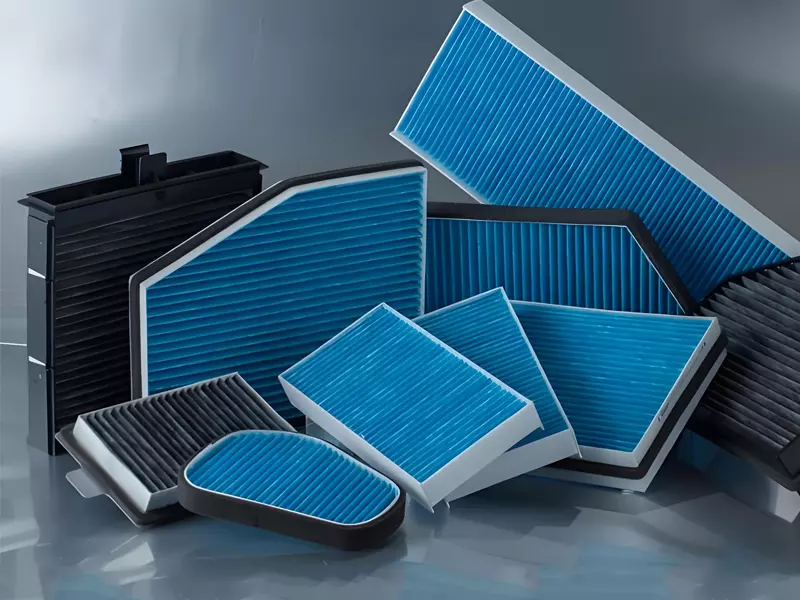
Third, the aftermarket segment thrives as vehicle lifespans increase. The average age of vehicles in North America and Europe exceeds 12 years, creating sustained demand for replacement filters. Additionally, growing awareness of cabin air quality, post-pandemic, drives demand for HEPA and activated carbon cabin filters. Technological advancements, such as synthetic filter materials and smart filters with IoT sensors, further stimulate market growth by improving durability and performance.
Key challenges include price sensitivity in emerging markets and counterfeit products that undermine quality. However, opportunities in electric vehicle (EV) filters and eco-friendly materials position the industry for continued expansion.
